
What International Visitors Actually Want in Japan — According to Kumi Fujisawa
The outside director of Toyota Motor Corporation and Mercari on why the Japan locals want to show is rarely the Japan foreigners came for
Kumi Fujisawa, outside director of Toyota Motor Corporation and Mercari, argues that the places Japanese people are proudest of are usually not what international visitors find interesting. From Nara and the Silk Road to why affluent travelers come for nature, a perspective on what inbound Japan gets wrong.
Japan spends a great deal of effort showing visitors the Japan it is proud of. According to Kumi Fujisawa, outside director of Toyota Motor Corporation and Mercari, that is precisely the problem.
“The places Japanese people think are worth seeing are usually not the ones foreigners find interesting,” she says. It is a blunt line, and she means it as a working principle rather than a complaint. If you set out to show international guests the sights you are proudest of, she argues, you tend to choose exactly the things that do not land.
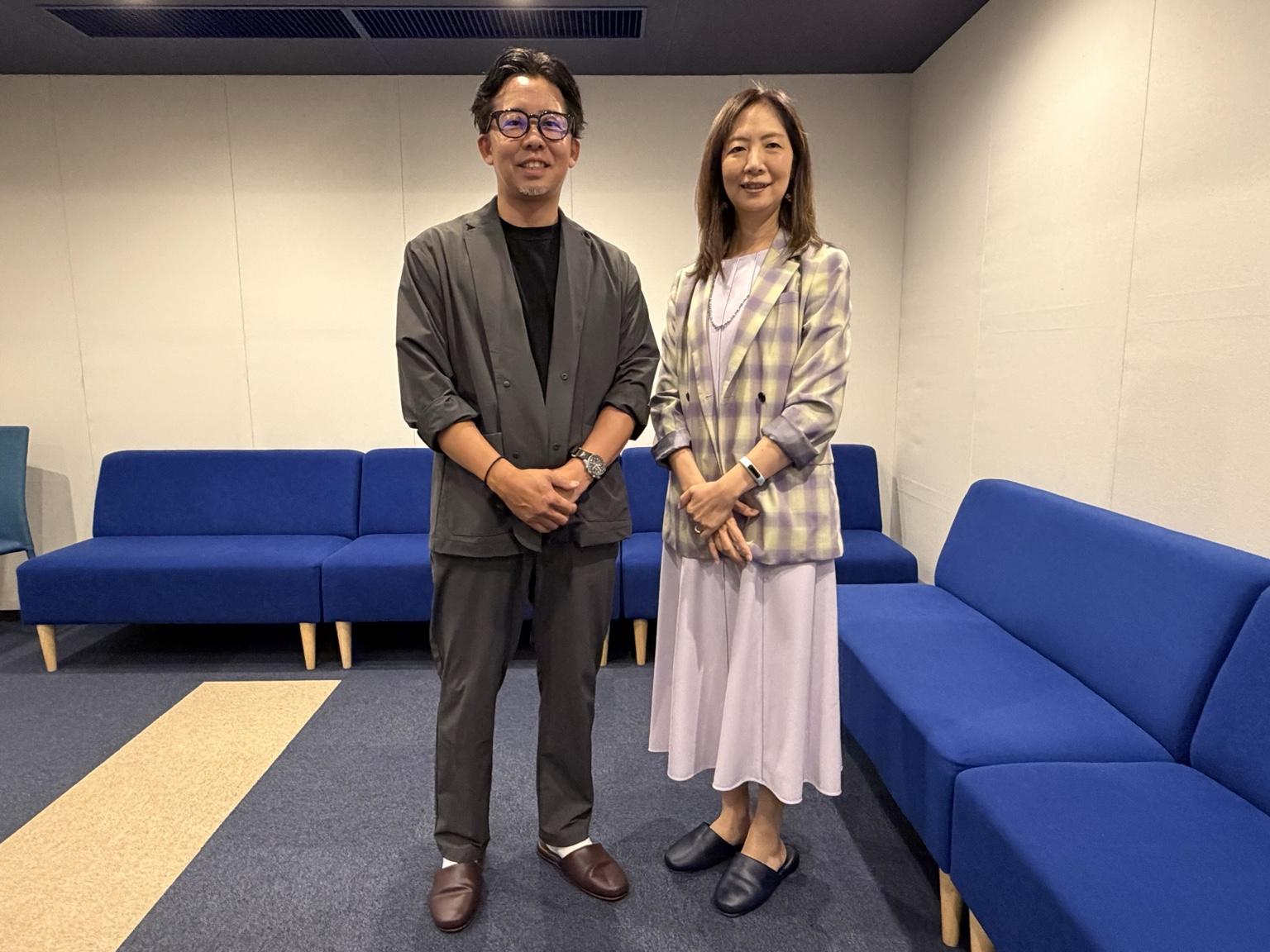
Fujisawa made the observation in a recorded conversation with Toshihito Okamichi, founder of Elite Golf Japan, as part of her interview program President Talk. The subject was inbound golf, but the point she kept returning to was larger: Japan is selling the wrong version of itself.
The postcard is the mistake
The instinct, when a country markets to tourists, is to lead with its monuments. Fujisawa’s view is the opposite. “What’s most interesting to them isn’t the place we want them to see,” she says. “It’s the culture, the customs, the nature — the ordinary things they can actually touch.”
Her practical suggestion is to invert the usual flow of information. Rather than deciding in advance what visitors should admire, send them out, let them find what resonates, and learn from what they report back. The itinerary should be built from the guest’s reaction, not the host’s pride.
For an industry that plans experiences for a living, this is an uncomfortable idea. It means the operator is not the authority on what will move the guest. The guest is.
Nara, the Silk Road, and coming home
Fujisawa, who is from Nara, offers her hometown as an example of what usually goes unsold.
Nara is where the Japanese state was born. When that state was being built, she notes, people who had traveled the Silk Road — from many different countries — sat close to its center. The evidence is still visible in its Buddhist statues: some carry Persian features, others Mongolian, Indian, Vietnamese, Indonesian. There are records of who arrived in Nara and what they did there.
That history changes what a visit can mean. For travelers from ASEAN and from the lands stretching west toward Persia, Nara is not a foreign monument. It is a place where they can trace where their own ancestors once came and what they did. “I’d love for people to come to Nara the way you come home,” she says.
It is a claim no postcard makes, and one only a specific kind of visitor would feel. That is the point.
Affluent travelers come for nature, not itineraries
There is a second pattern Fujisawa sees in her own international friends, most of whom are wealthy and live in dense cities abroad. Left to themselves in Japan, they head for nature — walking in the mountains, cycling, moving through open country they never get at home.
She describes Nordic friends who cycle constantly but are hemmed in by strict, designated bike routes at home. In Japan they can ride more freely, and they love it for that. The appeal is not a landmark. It is the absence of one.
What this means for golf — and for inbound Japan
Okamichi takes the lesson directly into his own business. Golf courses, he says, should do the same thing: let international players in early, then ask them what would make the round more enjoyable, rather than assuming the Japanese version is the finished product. He goes further, floating the idea of courses designed specifically for overseas players — relaxed formats, families welcome, fewer of the rules that make Japanese golf feel like an examination.
Golf tourists tend to stay longer than average, which gives Japan more days to fill with exactly the kind of natural, cultural experience Fujisawa is describing. The opportunity is not to show visitors a better list of famous places. It is to stop leading with the list at all.
For a country that received 42.68 million international visitors in 2025 and expects more, the harder discipline is the one Fujisawa keeps naming: build the experience around what actually resonates with the guest, and be willing to hear that it is not what you would have chosen.
This article draws on a conversation between Kumi Fujisawa, outside director of Toyota Motor Corporation and Mercari, Inc., and Toshihito Okamichi, founder of Elite Golf Japan, recorded for Fujisawa’s President Talk (special edition).
Source: Kumi Fujisawa's President Talk (special edition)
Play golf in Japan, hassle-free.
Elite Golf Japan arranges tee times, caddies, equipment and cultural itineraries for international golfers — from Hokkaido to Okinawa, with no commission charged to golf courses.
Visit Elite Golf Japan